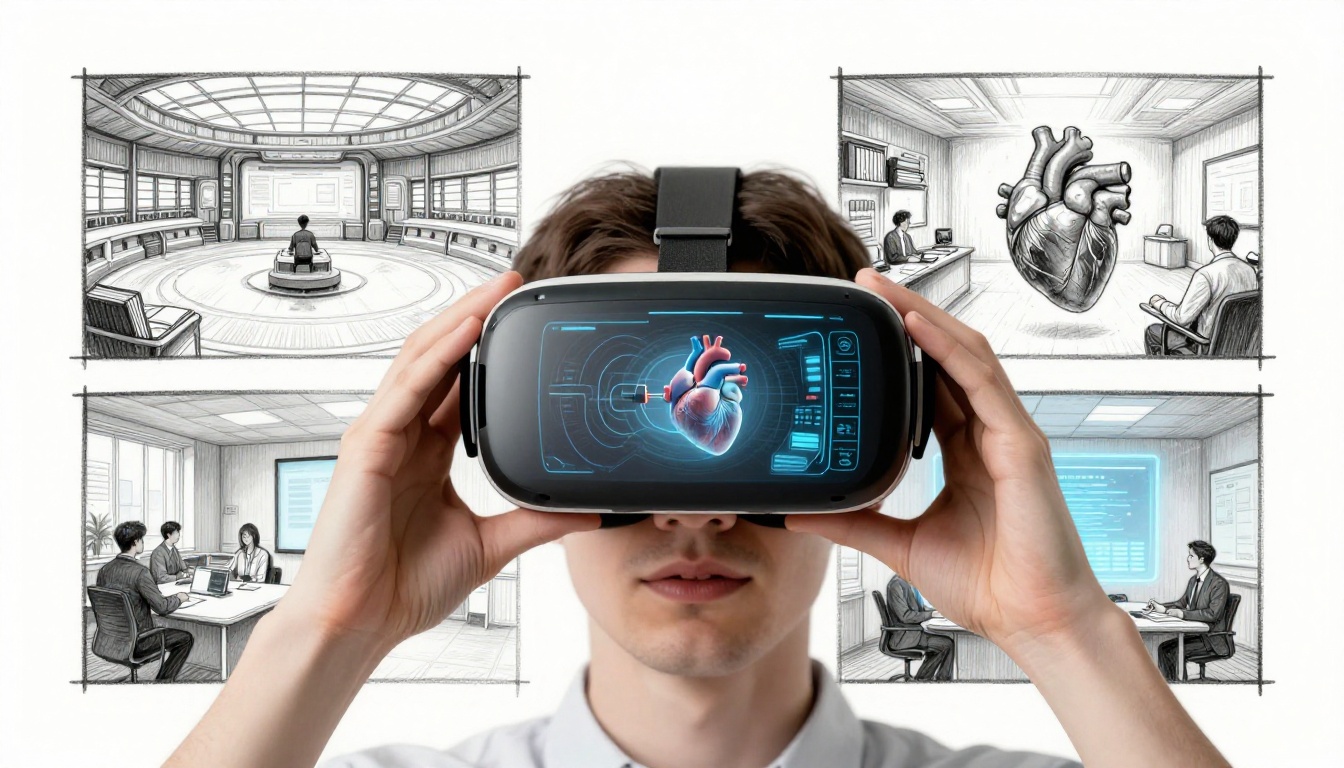
VR headsets like Meta Quest 3 and Apple Vision Pro are showing up in more homes and offices, because the VR market is expected to hit $26.71 billion in 2026. Even more telling, there were 171 million active VR users by the end of 2024, up from about 58.9 million in 2021. If you’ve wondered whether virtual reality uses today go beyond games, you’re not alone.
For newcomers, virtual reality (VR) is tech that puts you inside digital worlds. You wear a headset, then use controllers (or hand tracking) to look around and interact. In simple terms, VR helps your brain feel like you’re “there,” which is why it works so well for learning, training, and practice.
So what are the common uses of VR today? This post breaks down the real, everyday ways people use virtual reality, including popular uses in gaming, education, health, and business. You’ll see the kinds of tasks VR supports now, plus real examples that show why the tech keeps spreading.
Next, let’s start with the most familiar virtual reality use today, gaming and immersive entertainment.
Diving into VR Gaming: Worlds That Pull You In
VR gaming pulls you in fast, because your hands feel like your hands, and the room stops mattering. That sense of “being there” turns a game into a place you visit.
The best part? VR gaming now runs on two paths. Standalone headsets keep things simple. High-fidelity PC setups push visuals and physics even harder. Either way, the pull is real, and it’s growing.
Here’s why this matters in 2026, you can feel it in both the games and the hardware. Motion sickness fixes improve, controller tracking gets steadier, and batteries last longer. Players also stay longer, because multiplayer worlds add social glue. It’s like bringing a movie theater into your living room, then inviting friends to sit next to you.
Top Games and Hardware Making It Happen
In 2026, VR games lean into immersion in two big ways: immersive adventures that invite slow, safe repetition, and multiplayer battles that reward quick reflexes. When a game fits your comfort level, you play more. When it feels responsive, you come back.
Some 2026 standouts worth putting on your radar include:
- Asgard’s Wrath 2 for a long-form Norse action RPG, with huge exploration and satisfying god-power combat. It’s the kind of game where you learn routes the way you learn a familiar neighborhood.
- Batman: Arkham Shadow for stealth action in Gotham, where you move with purpose and timing.
- Assassin’s Creed Nexus for story-driven exploration and close-quarters combat that feels grounded.
- Resident Evil 4 VR if you want horror plus classic puzzle tension.
- Payday: Aces High for co-op heists, with teamwork that makes every plan feel urgent.
- Beat Saber if you want multiplayer rhythm battles that also double as a warm-up for VR legs.
If you want a broader list for current headsets, you can browse IGN’s best Meta Quest 3 games for 2026 and pick a starting point.
Now, let’s talk hardware, because hardware is what makes those worlds behave. Standalone devices like Meta Quest 3 keep pushing comfort and play time. Meanwhile, PC VR setups keep raising the ceiling on visuals and tracking precision. In both cases, better batteries and lighter designs help you stay focused longer.
Comfort improvements matter for a simple reason: motion sickness often starts with mismatch. Developers can reduce it by tuning movement, smoothing acceleration, and giving players more “natural” locomotion options. In plain terms, the headset and the game need to agree on what your body expects.
CES-style product cycles also point to what comes next. For example, reporting around superlight VR gear shows how much the industry cares about weight and balance. If you follow the trend, it’s clear where the next comfort gains will land, especially for longer sessions.
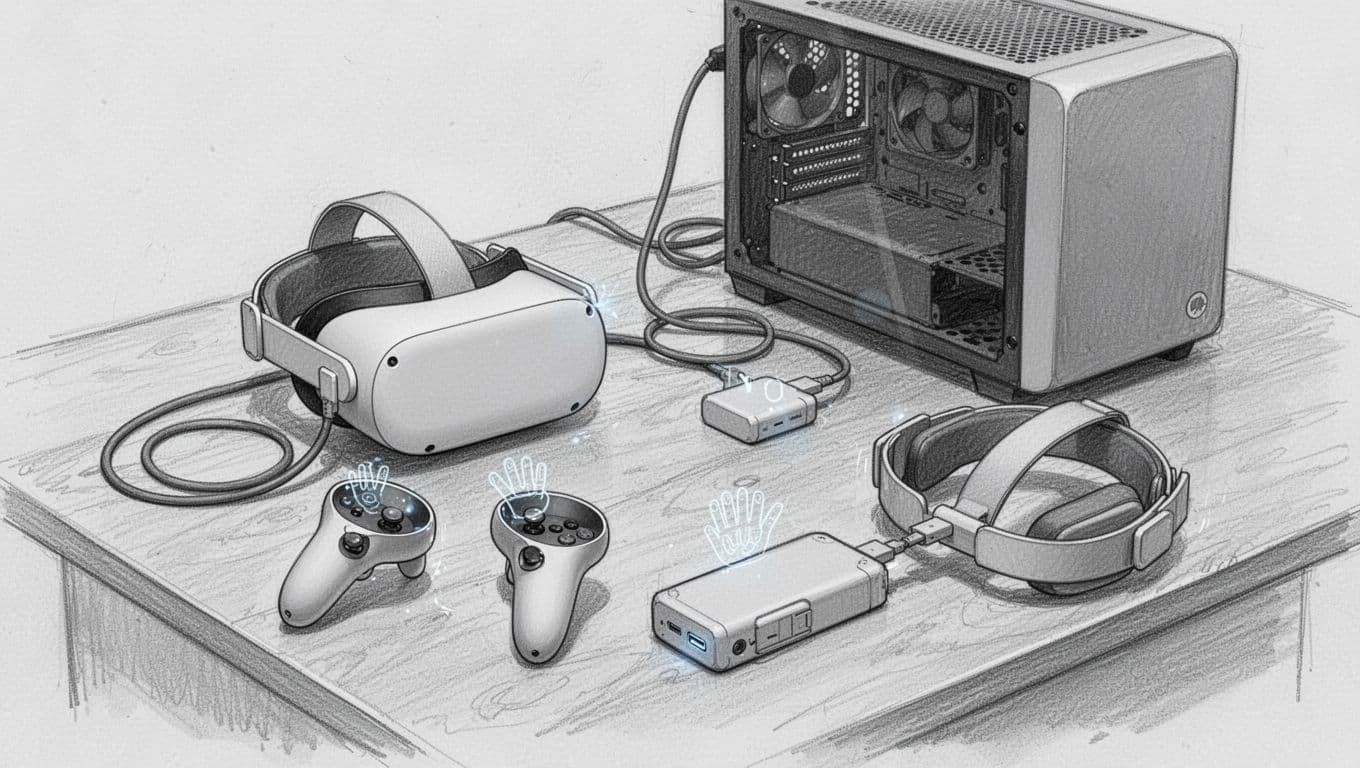
Controllers are part of this too. Newer approaches focus on more stable tracking and more detailed finger input, so sword swings and gun reloads feel less like gestures and more like actions. That’s why controller features like finger tracking matter, especially for games that reward realism in small motions.
Some players also build better comfort setups at home. They add a counterweight, use a more supportive strap, and keep sessions short until their “VR legs” show up. After all, comfort is a skill, and so is pacing.
On the multiplayer side, the hardware story is just as important. Multiplayer battles fail when tracking jitters. They feel amazing when your timing stays tight. So, better controllers, steadier tracking, and smoother performance help multiplayer feel fair, fast, and fun.
Finally, the audience keeps rising. VR gaming grows because it’s social, it’s hands-on, and it offers safe practice for real skills. For a real sense of user expansion, you can see how VR active users climbed sharply in recent years, which explains why 2026 releases keep coming. This momentum also helps explain why more studios target multiplayer right away.
If you want a quick taste of the “pulled in” feeling that makes VR addictive, it’s usually this moment: you step forward, your stance matches your character, and the world reacts. That link between body and game is the magic trick.
Revolutionizing Learning and Training with Immersive Sims
Immersive sims change how people learn because they let you practice inside a safe copy of the real world. Instead of reading steps or watching demos, you act, make mistakes, and try again. That repetition builds muscle memory, not just knowledge.
In schools and workplaces alike, this “practice without risk” feeling matters. A lesson becomes more than content, it becomes experience you can repeat until you get it right. When you add mixed reality (MR) passthrough, learning also feels grounded, because you still see your real space while virtual objects come alive around you.
Below, you’ll see two major ways VR sims are used today: hands-on classroom lessons and pro training for safer, smarter workers.
VR in Classrooms for Hands-On Lessons
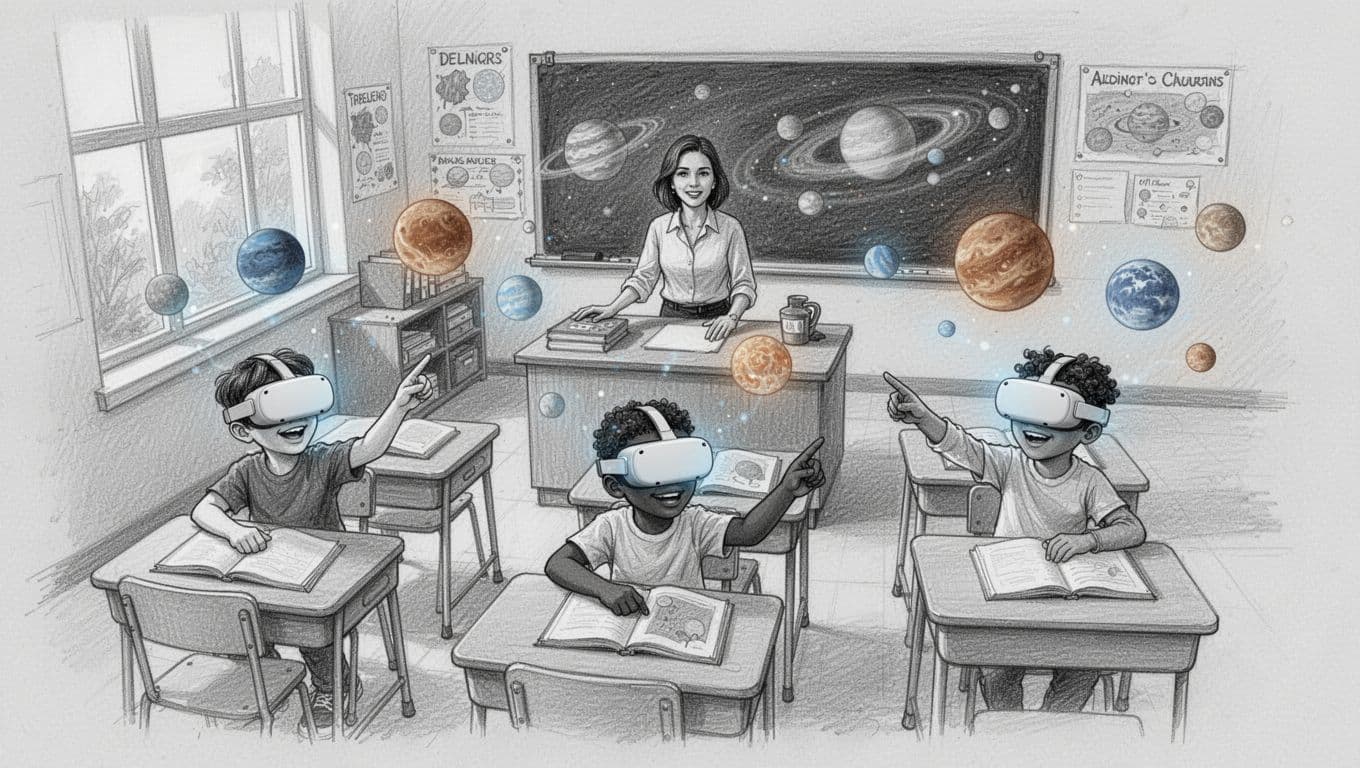
VR in classrooms works when it turns abstract ideas into things students can physically explore. A history lesson becomes a field trip you can walk through. A science unit turns into a lab where students test ideas without breaking anything. And with MR passthrough, they still see their desks and the classroom floor, so the experience stays familiar while the content feels new.
Teachers also like how VR supports different learning speeds. Some students need more time, others move ahead quickly. In a VR lesson, everyone can pause, replay, and practice the same concept. It’s like having a patient tutor who never gets tired.
A practical classroom setup also helps explain adoption. VR devices like Meta Quest are standalone, so schools don’t need to outfit every classroom with high-end PCs. For younger learners, that matters because it keeps rollouts simple and reduces setup time between classes.
Here are common hands-on VR lesson formats that fit well in school schedules:
- Virtual field trips where students “stand inside” historical scenes or faraway places.
- Interactive labs for science and STEM topics, where trials are repeatable and low cost.
- Guided anatomy and space learning with clear, visual scale that textbooks struggle to show.
- Career skills previews that introduce trades and real job tasks earlier.
Even commercial classroom lab bundles show how schools scale VR for multiple students. For example, you can see how turnkey setups package headsets, storage, and preloaded content in the VictoryXR classroom simulation lab. If you want a smaller starting point, kits for class use also exist, like the Knoxlabs VR lab and classroom kit.
For teachers, the win is simple: students spend more time doing, not just listening. As a result, understanding sticks longer, and classroom lessons become more than a one-time moment.
Pro Training for Safer, Smarter Workers
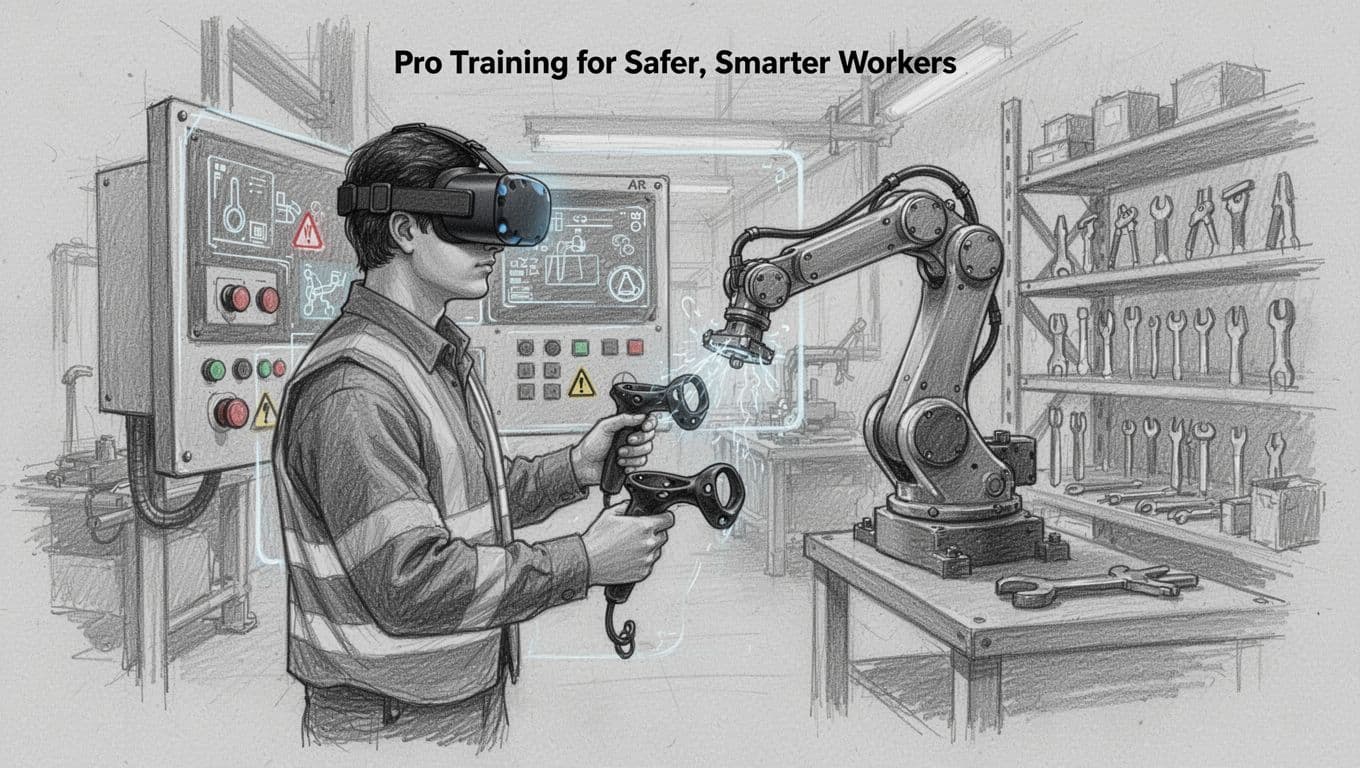
Workforce training has a hard problem to solve: people need repetition, but real mistakes can cost injuries, downtime, or expensive repairs. VR training simulations turn that into a practice loop. Workers learn the steps, repeat them under pressure, and build confidence before they touch real equipment.
Think of it like a flight simulator for the job site. You can practice emergency responses again and again, without putting anyone in harm’s way. Then, when the real situation happens, the worker’s brain already recognizes the pattern.
Safe repetition also makes training more consistent. In a typical workplace, new hires might train with different mentors, different styles, and different schedules. With VR, training scenarios stay standardized. Everyone runs the same drill and hits the same checkpoints.
That consistency becomes even more valuable for roles like:
- Safety drills for hazards and incident response
- Maintenance training for inspection and troubleshooting steps
- Robotics and machinery practice for setup, controls, and safe operation
- Process walkthroughs for procedures that must follow strict rules
Cost control matters too, especially when companies want faster onboarding and fewer interruptions. Enterprise managed VR devices help organizations roll out headsets across teams while controlling updates, access, and device settings. In other words, it’s easier to keep training hardware reliable and ready.
Market data reflects how quickly these programs are spreading. One estimate places the VR corporate training market in the multi-billion range by 2026, with broader virtual training and simulation markets growing even faster. Also, safety-focused VR training shows up in high usage areas like aerospace and construction, where companies need practical readiness and tight procedures. For a wider view on training simulations, the Virtual Training and Simulation market report for 2026 can help frame the size and growth.
The best VR training programs also measure outcomes. Instead of “Did you watch the video?”, they track whether learners completed steps, handled scenarios correctly, and improved over time. When training becomes data-informed, leaders can adjust content based on what workers actually struggle with.
Finally, there’s a human benefit that doesn’t show up in a spreadsheet. People often feel less fear during practice. They’re more willing to try again. They learn the right response without panic, then transfer that calm into the real job.
Healing and Staying Fit in Virtual Worlds
VR doesn’t only sell fun. It can also support healing and help you stay fit when real life feels too busy, too painful, or too repetitive. Think of VR like a therapist with a big imagination, it guides your focus, then turns effort into something you can repeat.
In healthcare, this matters because attention is part of pain control. In fitness, it matters because motivation is often the missing workout gear. Together, these use cases show why VR keeps moving from “try it once” to “use it often.”
VR Tools Transforming Patient Care
VR is starting to look less like a novelty and more like a clinical tool. In 2026, many hospitals and therapy programs use VR to improve training, reduce fear, and support treatment plans. In the US, more than 240 hospitals already use VR in some form, including patient education and procedure support (per recent healthcare market reporting).
One of the clearest benefits is pain management. VR often works as distraction, which means your brain spends more time processing the virtual experience, and less time locking onto discomfort. XRHealth, for example, positions VR environments around pain distraction and rehab support for conditions ranging from acute pain to chronic pain.
Common real-world scenarios include:
- Burn treatment using calming “escape” environments (patients stay focused while clinicians do the hard work).
- Chemotherapy support, where patients report less anxiety and a sense that sessions feel shorter.
- Chronic pain programs for conditions like fibromyalgia and phantom limb pain, where repeated VR exposure may reduce symptoms over time.
Rehab also benefits, because VR turns exercises into something your brain wants to keep doing. When physical therapy becomes a game, people often stick with it longer. That is a big deal, since progress usually depends on repetition.
Meanwhile, VR helps clinicians and surgeons practice safely. Instead of learning from a checklist only, trainees can run realistic simulations that mimic surgery and therapy workflows. If you want a deeper look at how medical simulation training works in VR, this overview on VR surgical training and XR in medicine gives a clear picture of how practice transfers to real procedures.
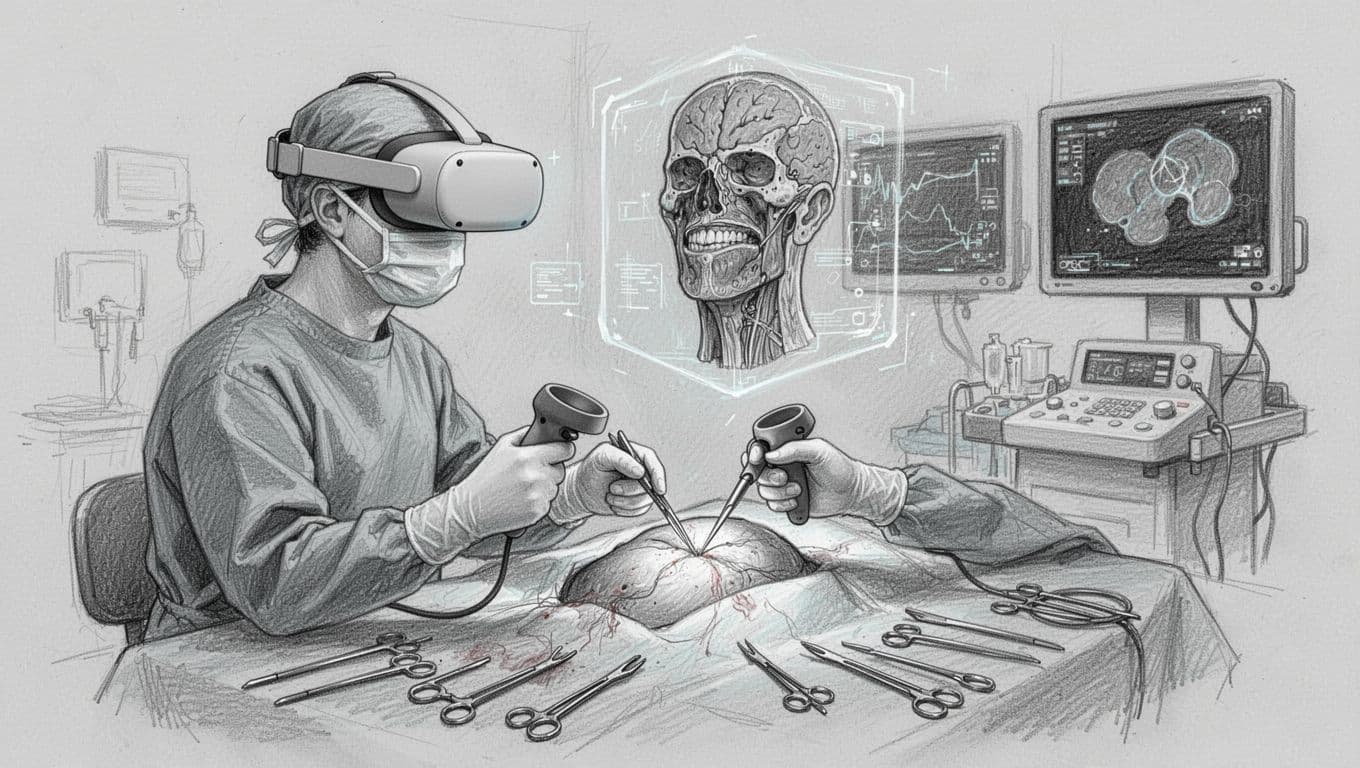
A final point is patient confidence. When people can preview what will happen, they often feel less panic. That shift, from “I’m bracing for pain” to “I know what to expect,” can change how they respond to treatment.
Fun Workouts That Keep You Coming Back
If you’ve ever quit a workout plan, you already know the problem usually isn’t discipline. It’s boredom. VR flips that by making exercise feel like an activity you chose, not a task you must endure.
Apps like FitXR and Supernatural show how gamified fitness can make movement more social and more rewarding. You don’t just “do reps.” You chase scores, levels, and progress. In other words, your body learns, and your brain stays engaged.
Boxing is a great example. VR training can turn punches and footwork into a timed session with clear goals. As you land hits, the game tracks your rhythm, intensity, and stamina. Then, competitions add pressure in a fun way, like racing a friend for the best round score.
Here’s why this kind of fitness sticks for many people:
- It removes the “what do I do today?” problem by giving you a set track and a finish line.
- It makes warm-ups feel like play, not punishment.
- It supports repeat sessions, because each workout feels different.
- It can lower perceived effort, so you work harder before you feel burned out.
If you’re comparing VR fitness apps, FitXR has a detailed head-to-head piece on FitXR vs Supernatural 2026. It’s useful if you want to match the app style to your goals.
You also get a mental health angle. Exercise helps mood, and VR makes it easier to start. Many people report that VR workouts help them blow off stress after work. Others like that the session gives structure when the day feels messy.
Want a simple way to try it safely? Start with short sessions and focus on comfort. Then build from there, let your body and device setup learn together.
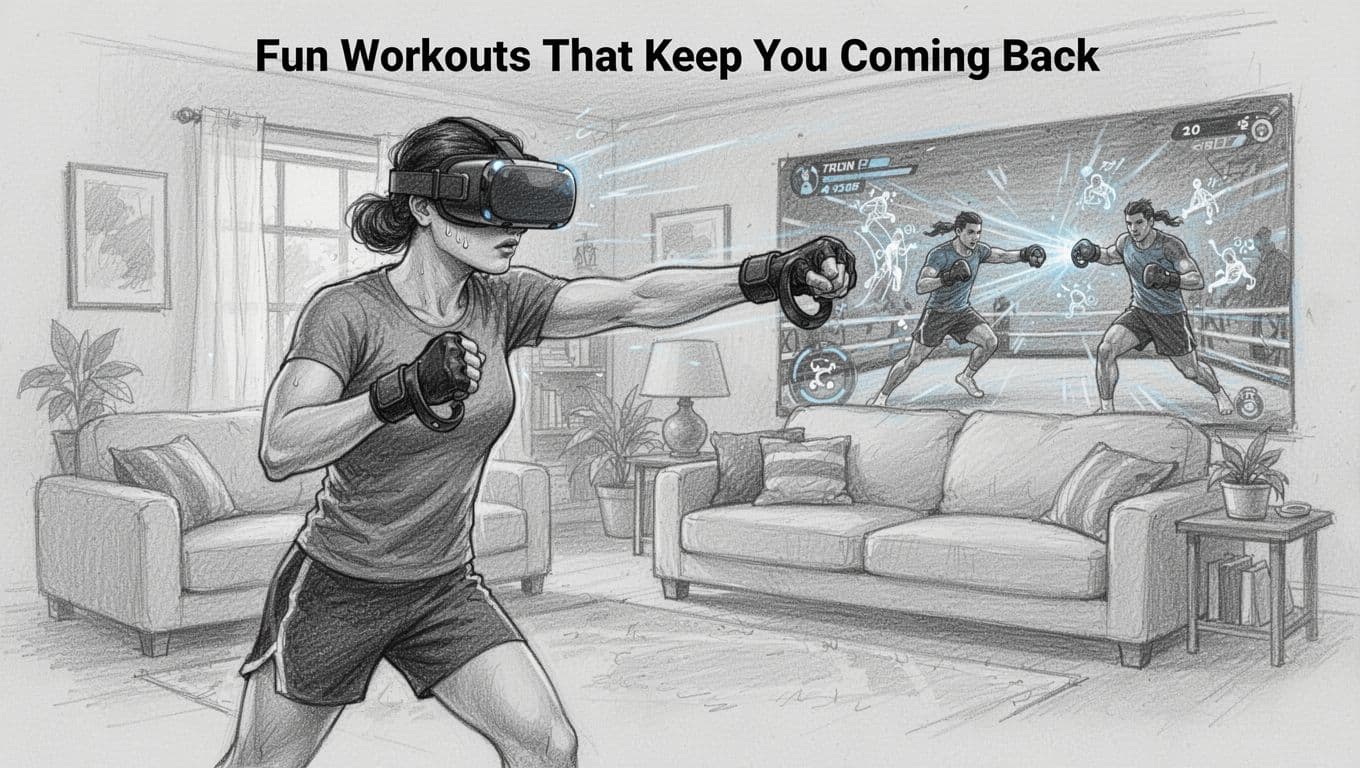
Finally, there’s the “show up” factor. When fitness feels like a game night you can run at home, you don’t need a perfect schedule. You just need your headset, a clear floor space, and a reason to move.
Boosting Business, Shopping, and Social Bonds
VR does more than entertain. In business, retail, and real estate, it helps people see first, then decide. In social spaces, it also helps friends stay close, even when miles and schedules get in the way.
The common thread? VR turns “I think I get it” into “I’ve experienced it.” That shift moves sales conversations forward and makes marketing feel less pushy.
Virtual Tours and Sales That Close Deals
Buying a home or planning a trip takes time. VR cuts that time by letting customers explore on demand, from their own space. It also builds confidence, because buyers can spot details they might miss in photos.
In US real estate, VR virtual tours are already shaping decisions. One set of reported figures shows 40.4% of apartment buyers decide based on panoramic VR tours, and 72.7% of users give positive feedback on VR tours. On the business side, there are also strong signals of adoption, including the claim that 1.4 million registered real estate agents use VR for client shows and tours. Even if your market uses a mix of 2D, 3D, and headset tours, the direction is clear: more people want to preview before they travel.
Here’s how VR tours tend to help sales teams close deals faster:
- Fewer wasted trips: Buyers shortlist homes after exploring layout, light, and flow in VR.
- Better top-of-funnel engagement: A VR walkthrough feels like an experience, not a brochure.
- More persuasive showings: Agents can guide a visitor through rooms while highlighting upgrades.
- Clear comparisons: Customers can remember how each place felt, not just what it looked like.
- Remote safety checks: Teams can preview sites without constant travel, which matters for busy schedules.
Tour quality also matters. A simple walk-through can help, but a well-paced tour gets results. It should include key “proof points,” like entryway scale, kitchen sight lines, and bathroom spacing. Think of it like a good salesperson. You don’t just list features, you guide attention.
Retail brands and luxury properties use the same logic. They want customers to feel the space, the style, and the product fit before the checkout moment. For more on how real estate virtual tours are changing buyer behavior, see virtual home tours popularity in real estate. If you want a marketing-focused look at the strategy, VR property tours in the USA is another useful reference.
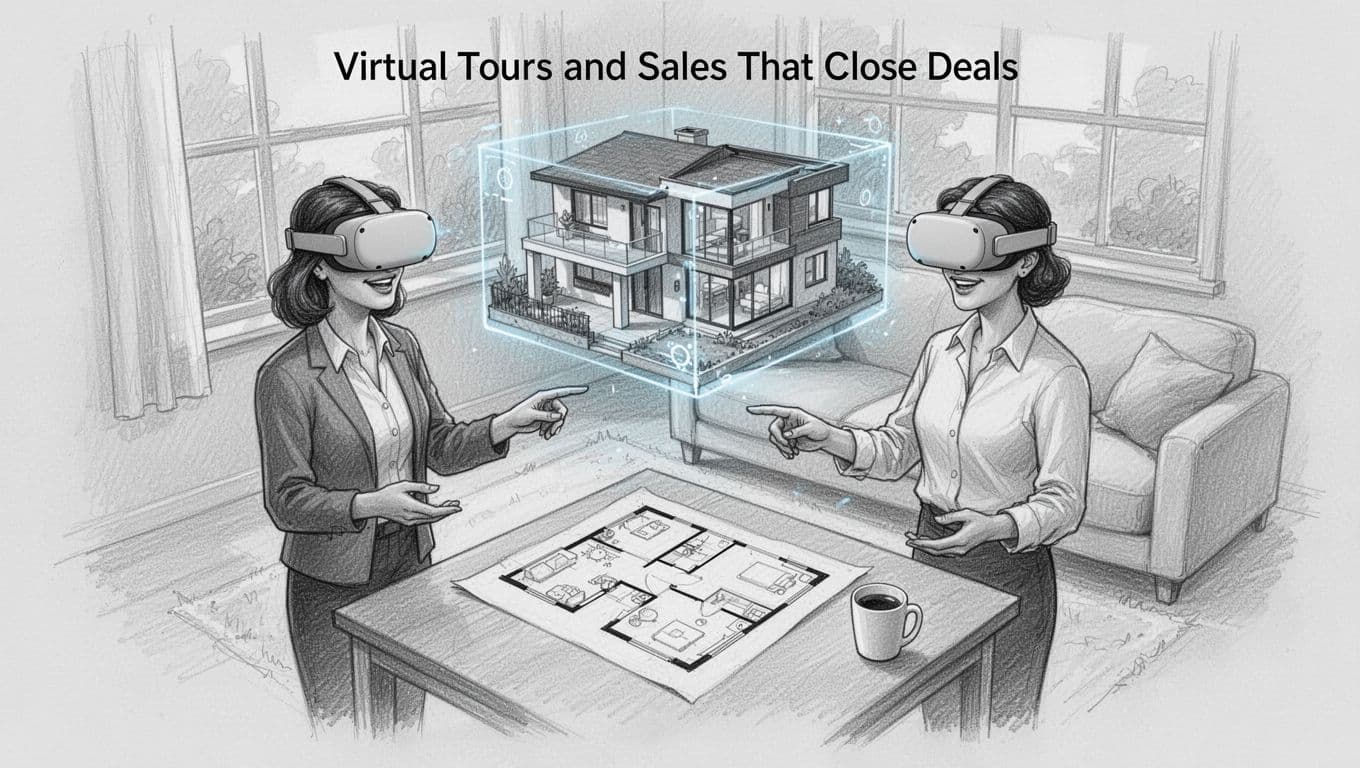
Brands also use VR for “try it” moments. In retail, even when VR and AR overlap, the goal stays the same: reduce uncertainty. That helps both shoppers and store teams, because the conversation becomes about fit and value, not guesswork.
Connecting Friends in Shared Virtual Spaces
Social VR brings something screens usually can’t: presence. You do not just message a friend, you meet them. You share a moment, you notice reactions, and you move in sync. That changes how relationships feel online.
In 2026, VRChat shows how big that social pull is. Reports highlight nearly 149,000 concurrent users on New Year’s Day 2026, with normal peaks around 120,000 to 125,000 on weekends. When people log in together at the same time, VR becomes less like a tool and more like a hangout spot.
Also, social VR can feel deeper than video calls because avatars carry more than words. Body language still lands. Tone still shows. Even small gestures, like leaning closer or turning toward a speaker, create real social cues.
If you’re wondering where this shows up in daily life, think of it like a living room that travels with you. Here are a few ways shared virtual spaces build connection:
- Friend meetups without travel: People join from home, work breaks, or late nights.
- Events that create shared memory: Concerts, holiday parties, and world meetups give everyone a common story.
- Community-led spaces: Many worlds come from creators, so the culture feels more personal.
- Low-friction presence: Joining a room can feel as quick as walking across a hallway.
- Identity through avatars: People can express style, mood, or persona in ways that feel safer.
Events matter because they add a reason to show up. In VRChat, for example, holiday gatherings and planned community moments bring users into the same places. If you want a sense of how those events are organized, New Years Eve 2026 on the VRChat Wiki gives a clear snapshot of how the annual tradition works.
Research also points to what keeps people coming back. Newcomer persistence in social VR often depends on early social contact and a sense of welcome. That means worlds that guide new users toward friends or events tend to retain better.
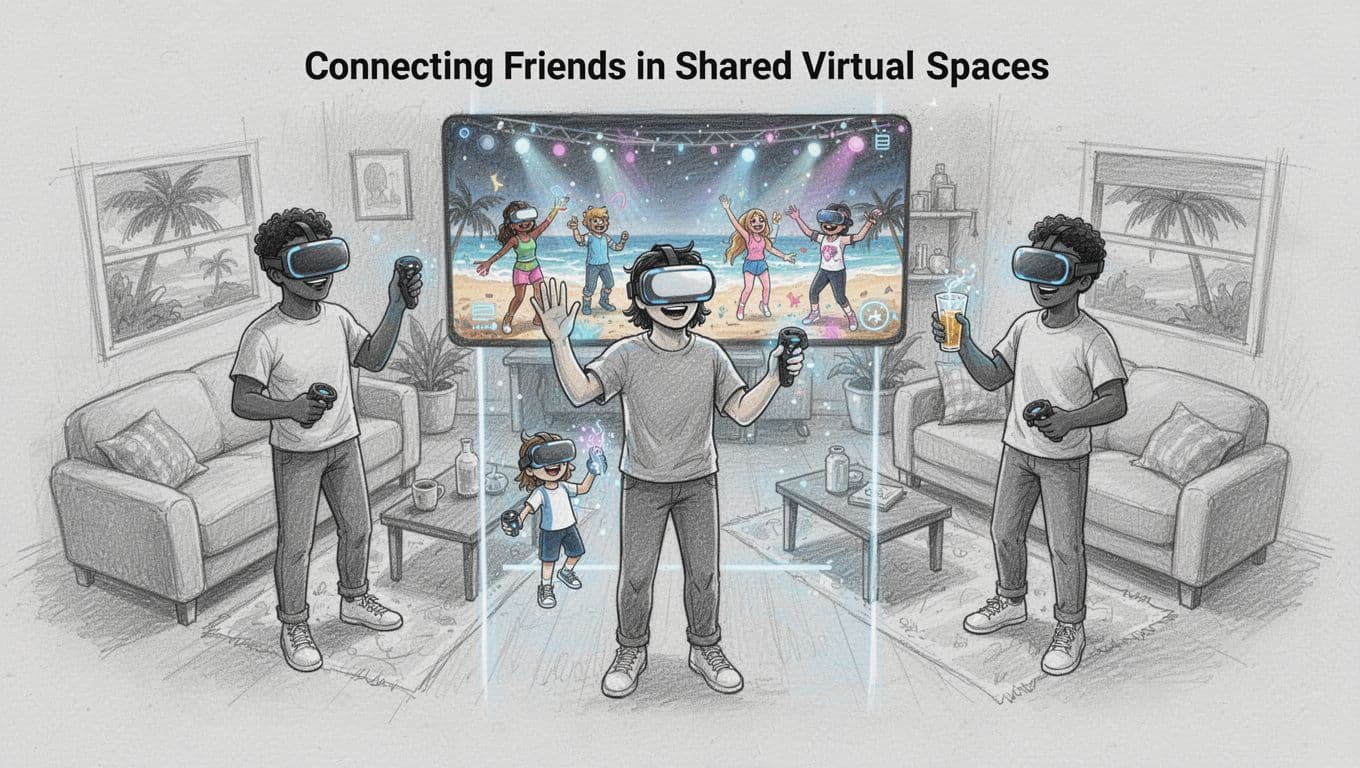
There’s also an important practical side. Social VR works best when friction stays low. That means good onboarding, stable connections, and controls that feel natural. When those parts hold up, the “just for fun” hangout can turn into something routine.
Emerging VR Trends Shaping Tomorrow
VR keeps moving from “wow” demos to everyday tools. The next wave feels more practical, lighter, and smarter. It’s also shifting toward business use, where reliability matters more than hype.
Standalone mixed reality hardware gets lighter, steadier, and easier to wear
Standalone headsets are taking over because they remove friction. You don’t need a gaming PC or constant setup. Instead, you put on the device and go.
Now the focus is comfort and day-long wear. Headsets feel better on your face, balance improves, and straps get more supportive. At the same time, mixed reality passthrough keeps getting smoother, so you stay oriented in your room.
This trend shows up in 2026 hardware talk and product planning. For a closer look at what’s shipping and why the designs matter, see XR hardware coming in 2026. It breaks down how companies aim for “grab-and-use” wear, not bulky lab gear.
Think of it like moving from a heavy backpack to a well-fitted daypack. You still carry the same idea, but your body stops complaining.
AI predictive tracking reduces lag and motion stress
Next, AI predictive tracking is improving how VR responds to you. Instead of waiting to react, the system predicts where your head and hands will go. That helps reduce jitter and delay.
When tracking feels stable, the whole experience feels calmer. Your brain stops fighting the mismatch. As a result, people spend more time in VR before they feel sick or distracted.
In short, AI helps VR feel less like a video and more like a room. It’s subtle, but it changes everything for training and health programs.
Enterprise adoption moves from pilots to real workflows
Finally, VR is shifting enterprise first. Companies want repeatable training, clearer planning, and lower risk. They also want governance, device management, and content that updates without chaos.
On top of that, MR adds value by overlaying instructions onto real spaces. For example, workers can follow steps while still seeing their tools and environment. In other words, VR becomes a work habit, not a one-time experiment.
Conclusion
VR is no longer just for games, because people use it where “practice” and “presence” matter. Today, it powers gaming fun, stronger learning through hands-on training, and health wins like pain distraction and motivation to work out.
It also brings business smarts and social links, since virtual tours, onboarding, and shared hangouts help people see more and decide with less doubt. As the market keeps growing (from $43.05 billion in 2026 toward $116.22 billion by 2030), these everyday uses will keep spreading to more homes and workplaces.
If you’ve been waiting for a sign, pick a goal and try a headset this week, then share what you experience with a friend. What would you use VR for first, learning a skill, getting fitter, or bringing people together?